

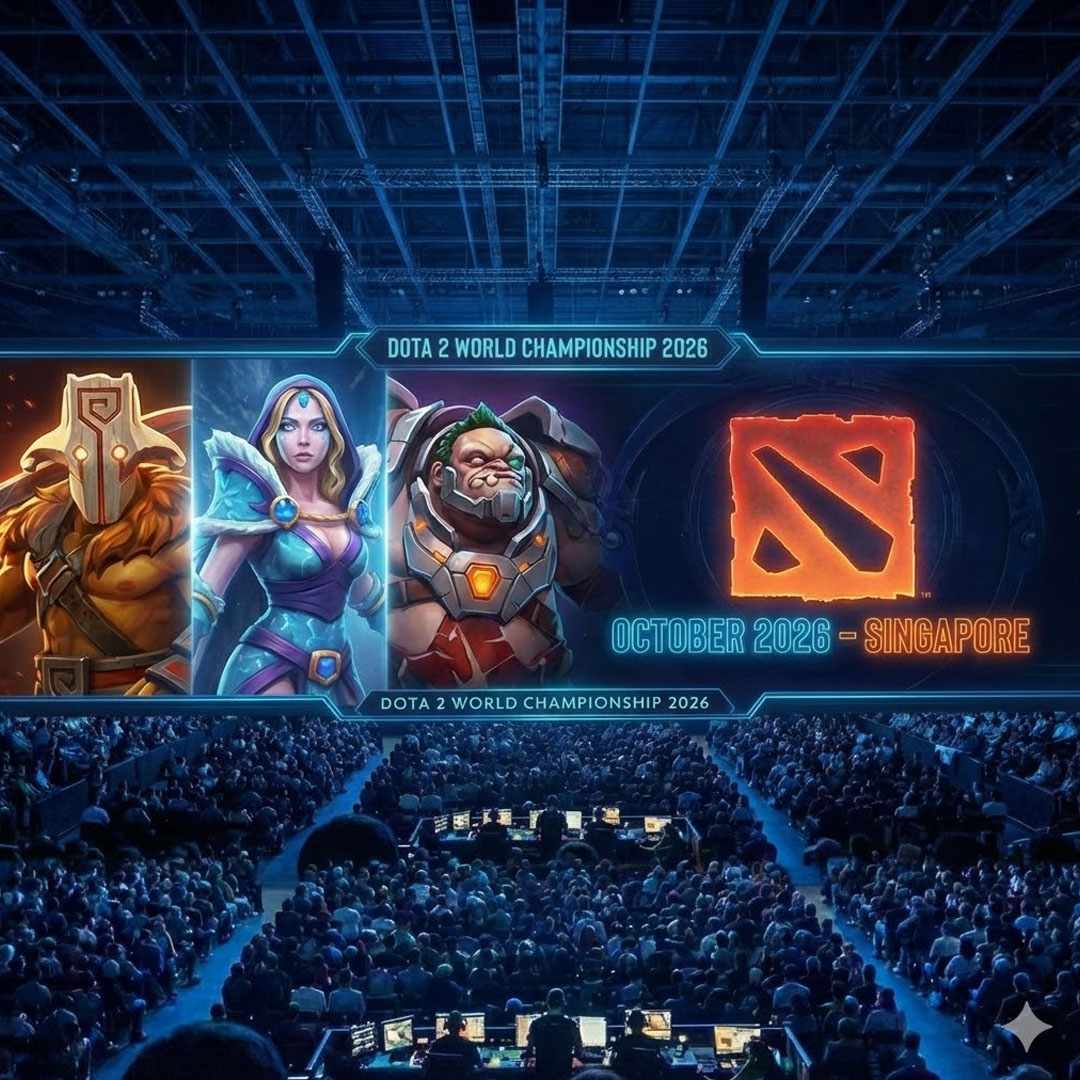
Dota 2 remains one of the most influential MOBA games in the world in 2026. Despite being more than a decade old, Valve continues to maintain the game’s relevance through consistent updates, competitive balance adjustments, and strong support for its global community. In 2026, Dota 2 proves it is not just a legacy title, but a living competitive platform that continues to evolve.
Gameplay Improvements and Current Meta
In 2026, Dota 2 gameplay feels more refined and strategically balanced. Valve focuses on polishing core mechanics rather than introducing drastic changes, ensuring the game remains competitive at every skill level. Balance updates prioritize hero diversity, item efficiency, and objective-based gameplay.
The meta continues to shift with each patch, encouraging flexible heroes capable of filling multiple roles. Team coordination, map awareness, and tactical decision-making are more important than ever, making Dota 2 a true test of teamwork and strategy.
A More Dynamic Map and Core Mechanics
The Dota 2 map in 2026 is designed to feel more dynamic and interactive. Subtle adjustments to jungle paths, rune locations, and key objectives create unique match experiences. Vision control, ward placement, smoke usage, and Roshan timing remain essential elements that separate average teams from elite competitors.
Valve maintains its philosophy of keeping Dota 2 challenging but rewarding, offering deep satisfaction to players who invest time in mastering the game.
Esports Scene and Competitive Integrity
Dota 2 esports in 2026 continues to thrive at the highest level. The International remains the most prestigious tournament in the MOBA genre, attracting top teams and massive global viewership. While formats and qualification systems evolve, the identity of The International as the ultimate championship remains unchanged.
Alongside TI, numerous third-party tournaments and regional leagues provide opportunities for emerging teams to rise through the ranks. This healthy ecosystem supports long-term competitive sustainability.
Player Regeneration and Team Development
The year 2026 marks a strong phase of player regeneration in professional Dota 2. Many veteran players transition into coaching, analyst, or content creation roles, while new talent enters the professional scene. Roster changes are common, reflecting an increasingly competitive and fast-paced environment.
Esports organizations now focus on long-term development, prioritizing synergy, consistency, and strategic depth over short-term results.
Community Engagement and Content Creation
The Dota 2 community remains active and passionate in 2026. Online forums, social media, and streaming platforms are filled with discussions about balance updates, tournament highlights, and strategic innovations. Content creators play a crucial role by providing educational guides, gameplay analysis, and entertainment.
Valve continues to support community involvement through workshops, cosmetic contributions, and in-game events, strengthening the connection between players and developers.
Dota 2 as a Long-Term Competitive Game
One of Dota 2’s greatest strengths is its longevity. In 2026, the game is not just about winning matches, but about continuous learning, strategic growth, and personal improvement. Every match offers new challenges, ensuring no two games feel the same.
Dota 2 remains relevant because it rewards skill, knowledge, and teamwork rather than shortcuts or simplified mechanics.
Conclusion
Dota 2 in 2026 stands as a testament to the power of deep gameplay and strong community support. With regular updates, a thriving esports scene, and an engaged global player base, Dota 2 continues to set the gold standard for competitive MOBA games. For both long-time players and newcomers, Dota 2 in 2026 offers a challenging, strategic, and deeply rewarding experience.

Leave a Reply